
13+
years of experiences
Indradhanu Waldorf School follows the Waldorf philosophy. We educate head, heart, and hands—developing character, creativity, and academic strength together.
Indradhanu Waldorf School offers authentic Waldorf education. Through experiential learning, rhythm, and the arts, we cultivate independent thinkers prepared for life.
Indradhanu Waldorf School is rooted in the Waldorf method. Our nurturing approach develops focus, resilience, and intellectual depth—without tuition dependency.
Indradhanu Waldorf School is inspired by Waldorf principles. We believe education is an art—shaping capable human beings, not exam machines.
Years of Nurturing Childhood
Children Growing with Us
Dedicated Teachers
Years of Waldorf Education
Our child centric approach integrates the head, heart and hand for the whole being to be developed.
We focus on the emotional as well as creative sides of the children.
A well balanced child to you and the society.
May wisdom shine through me
May love glow glow within me
May strength penetrate me
That in me may arise
A helper of humankind
A servant of sacred things
Selfless and true.
Rudolf Steiner (1861-1925) was an Austrian philosopher, architect, writer, literary critic, social reformer and educationalist. His work spanned many different fields including agriculture, medicine, science, literature, and the arts. Among his achievements, he is known as the ‘spiritual father’ of the philosophy of anthroposophy, and he founded ‘biodynamic agriculture’, one of the first forms of organic farming. His ideas and theories form the basis of Waldorf education, also known as Steiner education.
In 1919, After Rudolf Steiner had been lecturing to the workers of the Waldorf-Astoria cigarette factory, the owner, Emil Moult, asked for a school for their children. Steiner opened his first school in Stuttgart, Germany, This is the origin of the term ‘Waldorf School’, which is also used to refer generally to the education movement founded by Rudolf Steiner. Many other children soon flocked to the school, children whose parents were looking for more humane values and new educational methods after the ravages of World War I.
As Rudolf Steiner was exploring his anthroposophical ideas regarding the nature of man, education that focuses on developing character and intended to create an educational environment that was spiritual, but non-denominational, in most countries, however, parents financed the Steiner/Waldorf schools were founded.
Waldorf School
years of experiences
“The aim of education is to develop a free, creative individual who is able to think for himself and to contribute to society.”
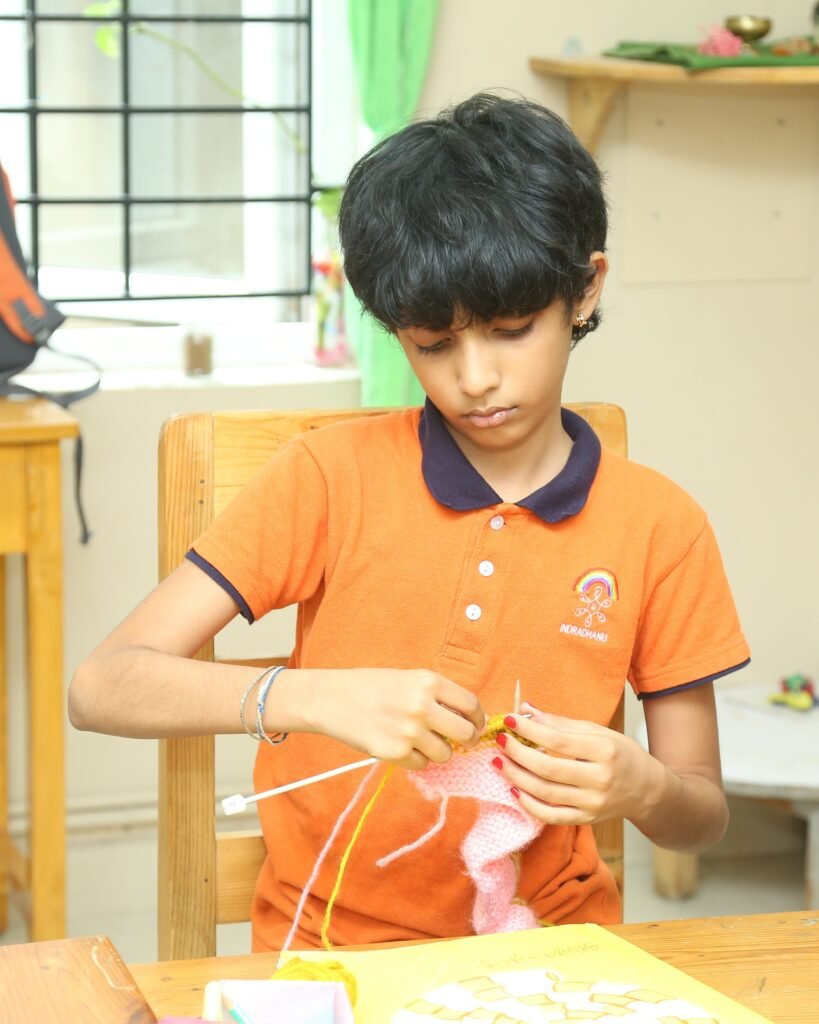
As a school while we adhere to the national standards and grade expectations, we have a different approach in the methods we teach. Unlike regular schools we have subjects like gardening, music and mythology that are not usually considered a main part of teaching at schools. Lots of practical subjects such as painting, knitting, stitching, weaving, sculpting, clay modelling, wood carving and bookbinding have also been taught.
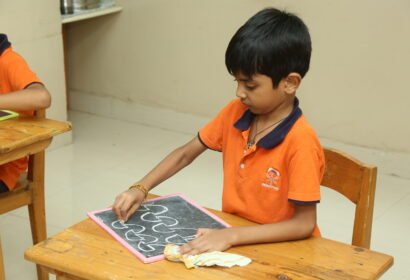
The development of creativity and imagination overtakes more academic modes of teaching, and there is an emphasis on teaching through oral communication and there is no given text book instead children create their own textbooks as a record of their everyday learnings.
There is no formal academic teaching, rather, we help to thrive by developing key skills such as numeracy and literacy using children’s ‘limbs, hearts and heads’.
Like a tree that draws nourishment from the soil before stretching its branches toward the sky, each child draws strength from living deeply in the here and now. In our school, we hold the present as a living, breathing space, rich with meaning, possibility and finding their place in the world. As we honour every stage of becoming, we prepare them for tomorrow by helping them live today with depth, beauty, and intention. We see childhood and youth not as a waiting room for adulthood, but as full and vital seasons of life, each with its own rhythms, joys, and lessons.
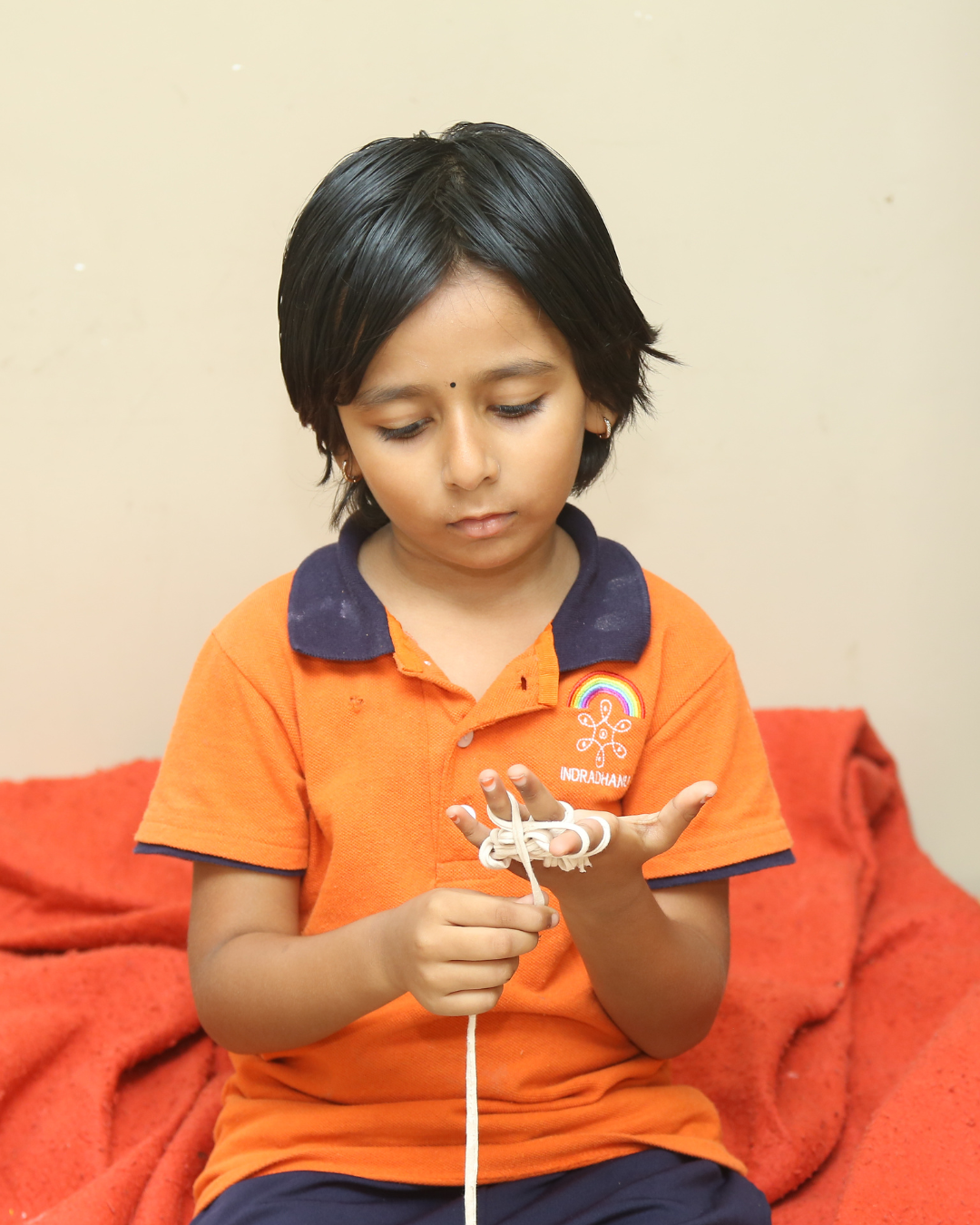
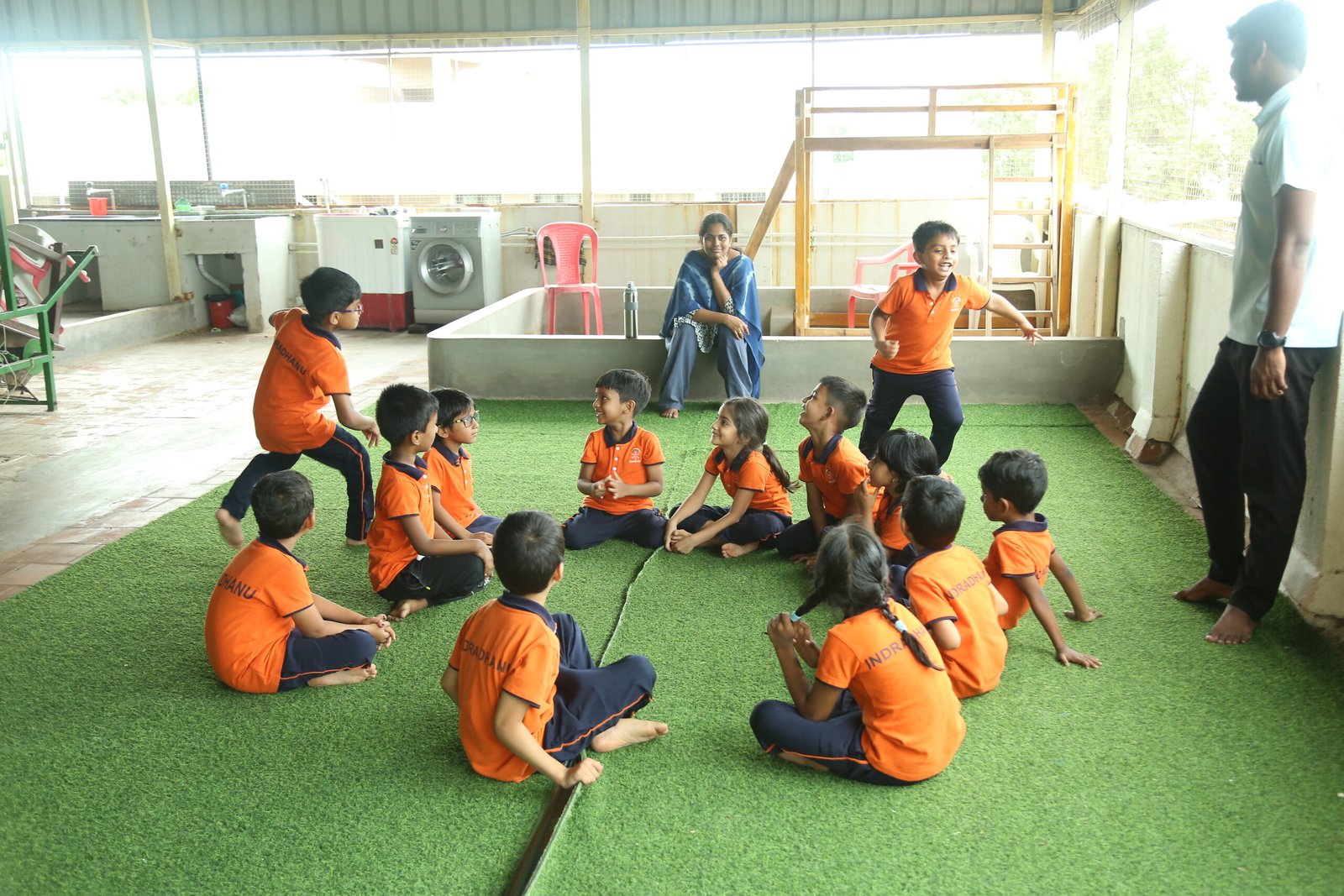
We make this happen by beginning our mornings with song, verses, and movement that awaken body and soul. We tell stories slowly, giving imaginations time to unfold. We guide hands to shape clay, knit yarn, or paint with care. We take children outdoors to walk the school grounds and greet the changing seasons. The day breathes in and out in a rhythm that nourishes the inner life and strengthens the will.
By grounding the young in a present filled with beauty, truth, and human connection, we grow roots of confidence, resilience, and empathy. These roots anchor them through life’s changes and give them the strength to reach toward new horizons.
We root them in today, so they grow ready to reach for tomorrow, not in haste, but in wholeness.
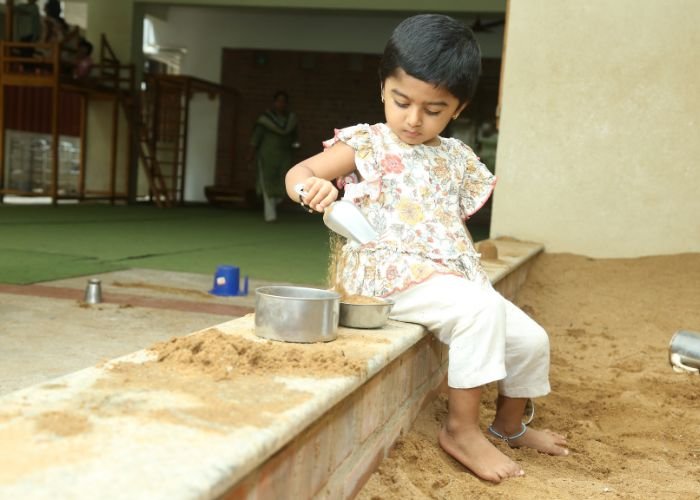
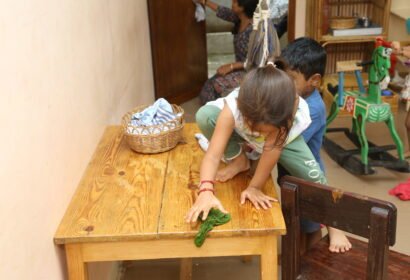
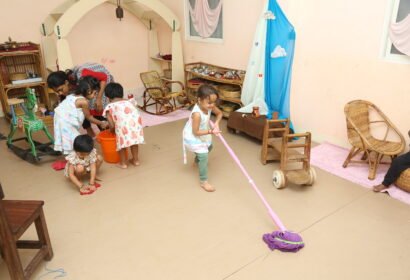
Early childhood blossoms through rhythm, imitation, and sensory-rich experiences that nurture imagination, empathy, coordination, and joyful discovery each day.
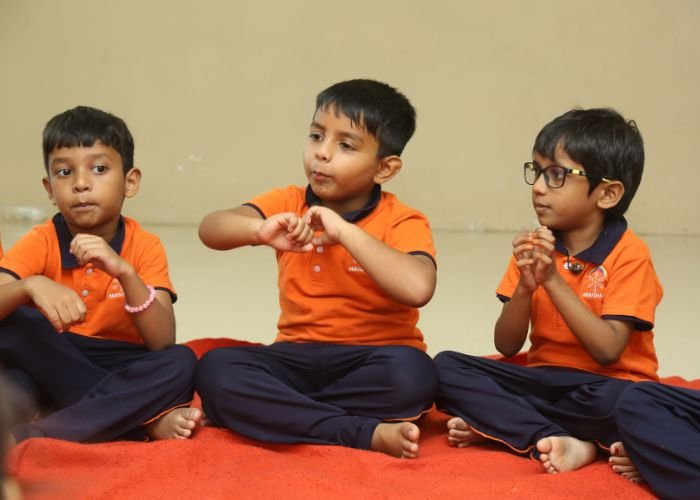
Primary years strengthen body, will, and imagination through purposeful activity, building resilience and steady foundations for confident lifelong learning.
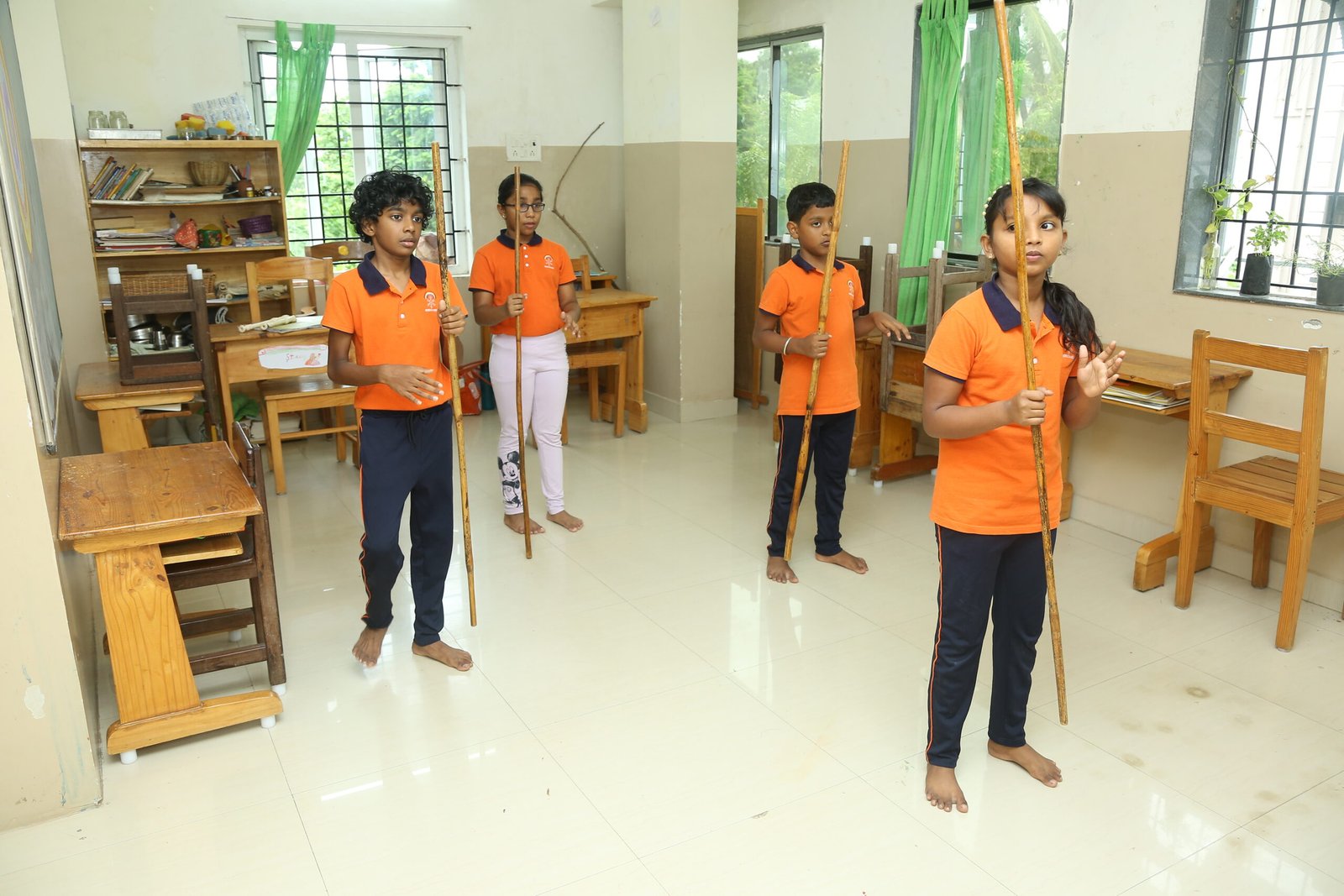
Middle school deepens curiosity and logic through exploration, balancing academics with arts, perseverance, responsibility, and growing self-awareness.
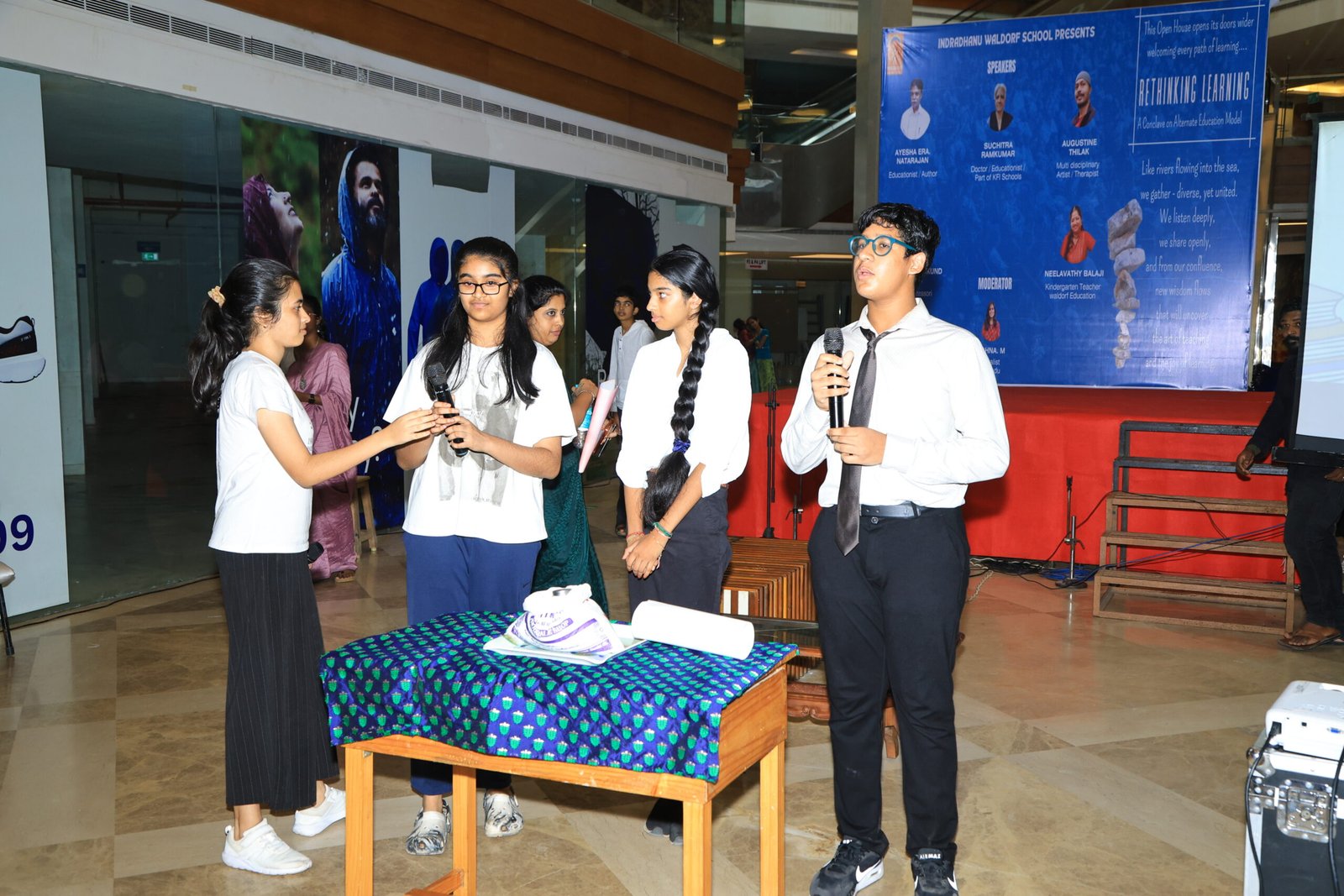
High school fosters independent judgment and academic depth, uniting creativity and discipline while preparing students for IGCSE and future pathways.
“Children will grasp concepts when they’re ready”
Growth and development in a child are observed as three phases of development:
Strengthening physically
Enrich with feelings
Developing intellectual capacity
A rounded development in one phase is believed to be essential for the child to move on to the next phase, where they deepen their understanding of concepts and continue to develop skills.
Traditionally, in Waldorf schools we have children stay with their key teacher until they are 14 years old, again to support continuity and predictability in the setting. This encourages a strong relationship between children and their teacher, and teacher with parents, in order to cultivate a deep understanding of each child’s personality, behaviour, and individual needs.
Although teachers do assess and understand the children time to time but we try to keep it informal and less target-driven that wont be expressed as a grading/scoring. There is no such thing called examination until Grade 8 (Up to 14 years). Waldorf students do not get their learning motivation from grades and other certifications based on achievements. By contrast, they are more interested in the subject and experience more meaningfulness in the teachings.
Homework isn’t introduced until Grade 3 and, even then, is kept to a minimum and meaningful. This is intended to keep childhood stress-free and encourage children to learn at a more natural pace.
We function on a rhythm, so that planned activities take place at the same time each day. This is to help children feel secure in the predictability of their schedule.
We don't focus on one particular religion. Instead, lots of religions are discussed with the children, and they are educated on the traditions and cultures of each to let the children explore, differ or resonate with.
We avoid the use of screens and technology not just at home, also at school until their secondary education (in children’s adolescence).
Best school ever! Waldorf is an amazing education system letting the child flourish and uncover their unique potential! The best school in Chennai which totally gives the best for the kids and doesn’t treat the education system as a business unlike other schools!
Indradhanu is an extraordinary school, a huge relief in Chennai where academics is too suffocating, too important - only result oriented, for people with an aim to become engineers, IT professionals etc. There was no holistic education, nowhere to let imagination grow, and nowhere with freedom of expression. Indradhanu / Waldorf is a freeing system. It’s perfect for my daughter. The teachers are so ‘human’ and connect with the child deeply.
Contact us to visit and explore our early years program.